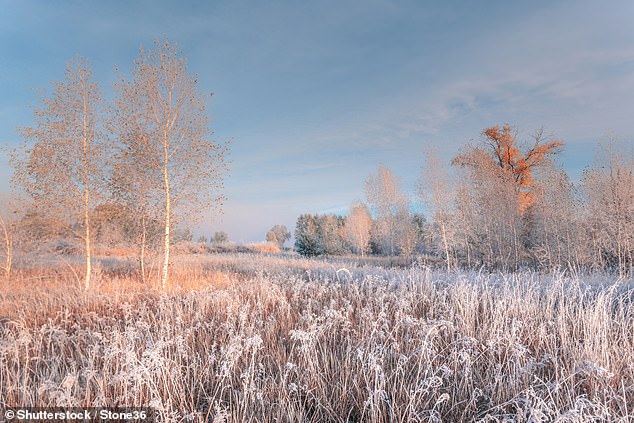
The Science Behind Winter’s Fresh Smell
There's something uniquely refreshing about a crisp, cold day in the UK. With sunny skies and icy frost, these days make the dreary, rainy months feel worth it. Cold air can feel clean and invigorating, especially when paired with snowy landscapes.
A recent study has shown that three-quarters of people enjoy the feeling of breathing in crisp winter air. Additionally, 74% of respondents said that time spent outdoors during winter improves their mental wellbeing. Nearly two-thirds of Brits believe that winter air smells fresher and cleaner than any other season. But why does cold air seem so much more pleasant?
Jim N. R. Dale, an ex-Royal Navy meteorologist and founder of British Weather Services, explains the science behind this phenomenon. He notes that warmer air allows molecules to move more rapidly and expand, making scents more intense. For example, the aroma of milk heating on the stove becomes more noticeable as the air warms up.
In contrast, cold air slows down the movement of scent molecules, reducing the intensity of manmade odours. This is similar to how you might not notice the smell of garden bins as much in the colder months. Jim explains that the reduced moisture in cold air tends to dilute artificial smells while enhancing natural ones, such as the scent of pine trees and wood fires.
Winter weather events, like snow and frost, also influence how we perceive scents. Jim says that cold air naturally reduces our olfactory receptors, which are the molecules responsible for our sense of smell. As a result, we tend to detect fewer smells in the cold air.
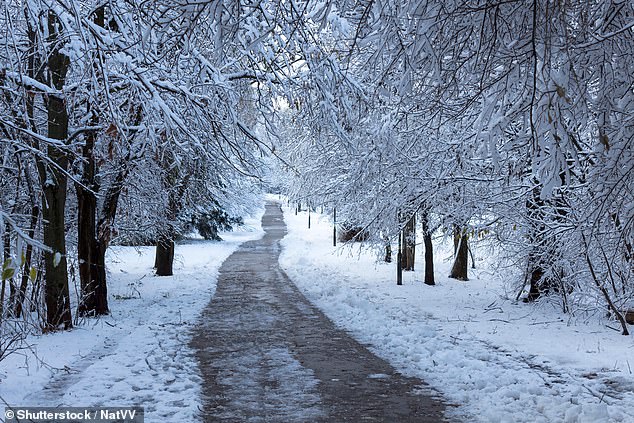
Snow and frost on the ground can act as a "blanket" over surface odours, essentially "suffocating" them. For instance, a farmyard full of manure might be less discernible under a reasonable snow cover, as the snow acts as a natural purifier. The same effect can be seen with frost, which freezes and traps more obnoxious odour molecules.
Jim adds that colder months bring crisper and drier air from continental or Arctic airflows, which makes the air feel fresher to breathe. He explains that these airstreams are generally considered clearer and purer because they originate from areas where the air is least polluted.
The study, conducted by Santa's Lapland, highlights the popularity of cold, crisp winter weather. Gillian Ray, Santa's Lapland area manager, shared her insights: "At a time of year when our moods and energy can naturally be lower due to shorter daylight hours in the UK, taking time to let the feeling of cold air fill your lungs, and focusing on what you feel when outdoors can create moments that stay with you long after the season ends."
She suggests that for travellers, exploring colder destinations like Lapland could be a rewarding alternative to typical "winter sun" escapes. "Exploring colder climates like Lapland isn't just about looking at beautiful snowscapes. It's just as much about making the most of what the scents, sensations, and magic of the Christmas season have to offer."
Why is November the ultimate month for a sun-soaked escape from Britain's gloomy chill? Are cooler climes becoming the new holiday hotspot as Britons flock to chillier destinations like Iceland and Canada? What heartwarming scene unfolded as Britons flocked to snow-covered parks, braving the freezing -11C temperatures for winter fun? Dreading the dull English weather? Explore our top-rated, breathtaking destinations for winter sunshine—and they're just hours away from the UK! Are the UK's lush trails worth braving the cold? Find out Zoe's sizzling secrets to crowd-free hiking in wintry beauty spots!