The Tension Between Torah Study and National Service
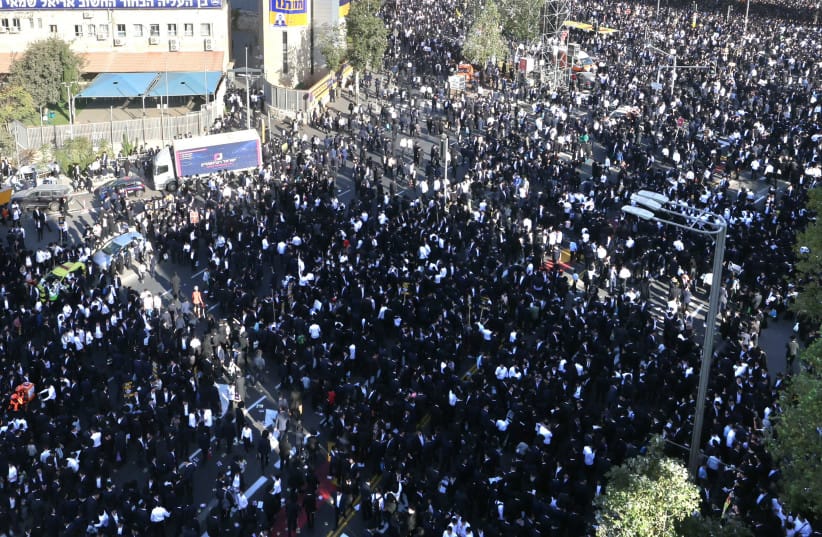
As tens of thousands of ultra-Orthodox Israelis take to the streets to protest a proposed law that would draft yeshiva students into the army, the debate has exposed deep divisions within Israeli society. On one side are those who view Torah study as a sacred duty, essential for spiritual protection and community cohesion. On the other side are those who argue that national service is a moral and civic responsibility that all citizens should fulfill.
Two reservists, one born in Israel and the other who came to learn and serve through the Hesder program, shared their perspectives with a news outlet on the issue. Their insights highlight the emotional and ideological stakes involved.
A Reservist’s Perspective
M., a 35-year-old reservist who has served multiple combat tours, expressed frustration and disappointment over what he sees as an unfair burden placed on religious soldiers like himself. He noted that while he serves in the military and studies at a yeshiva in Ma’ale Adumim, there is a clear disconnect between those who complete military service and the broader haredi population that is protesting the draft bill.
“I feel that it is unfair that our haredi brothers do not join us in arms,” M. said. “My unit has done five rounds. We have lost three guys – three were killed in an ambush last year. We have [been] wounded. You should know that [in] our company of 80 guys, the majority are now religious.”
He emphasized that observant Jews already serve in significant numbers. “It’s not like we’re all secular,” he said. “We have prayer, we have a minyan, we have all the things. And we are serving, and we are working, and we are fighting, and we are dying,” he stated, adding, “and they are not.”
The refusal of many haredim to serve, he said, has created resentment. “Now, more than ever, I feel like they are parasites on our society, just taking and taking,” he said. “They have the audacity to fight against us and against the world that we’ve created and the security that we’ve provided them.”
M. pointed out that many of those killed in recent conflicts were religious soldiers. “The Dati Leumi – the Modern Orthodox – are the ones going in and becoming fighters,” he said. “You look at the casualties of the past two years. So many religious soldiers were killed. It’s me, my guys, my friends, people from my background.”
The toll, he said, is both emotional and physical. “It’s troubling and frustrating to see them try to wiggle out of being a real brother,” M. said. “I feel distant from them. I feel unloved by them. And it hurts – because we’ve done so much for them. Everyone who’s fighting is doing it for all of us.”
A Call for Change
A., a 35-year-old reservist who has logged hundreds of days of duty since October 7, identifies as religious but not ultra-Orthodox. He told the news outlet that he holds deep love and respect for Torah study. However, he believes the current system is unsustainable and that change is necessary.
“The haredi community doesn’t seem to understand that the current situation cannot continue,” he said. “It cannot be that those who leave the yeshiva and do not study contribute nothing. I am strongly in favor of national service for those who don’t study.”
A. argued that while full military service may not be feasible for all, national service should be mandatory for those outside full-time religious study. “Contributing to the country is part of being a member of the Israeli people,” he added. “This sense of separation from the rest of society is deeply problematic. Those who don’t study should participate in at least minimal national service – that’s where the process should start.”
He expressed skepticism that legislation alone would resolve the issue, noting that “the haredi community has historically been very skilled at circumventing” draft quotas. “Even if a law with enforcement were enacted, they would likely find ways around it,” he said, calling instead for broad social consensus.
While he said he had “no particular sentiment” toward the day’s protest, he supported dialogue between secular and ultra-Orthodox Israelis. “If I were available, I might join – not to provoke, but to engage in dialogue,” he said. “The goal would be to help them understand that we want them to be part of the Israeli people – and that being part of the people means contributing, not only through Torah study.”
A Widening Rift
As the haredi community pushes against the draft bill and lawmakers in the Knesset debate the issue, voices like those of M. and A. underscore the challenge ahead: bridging not just a policy gap, but a widening rift within Israeli society itself.