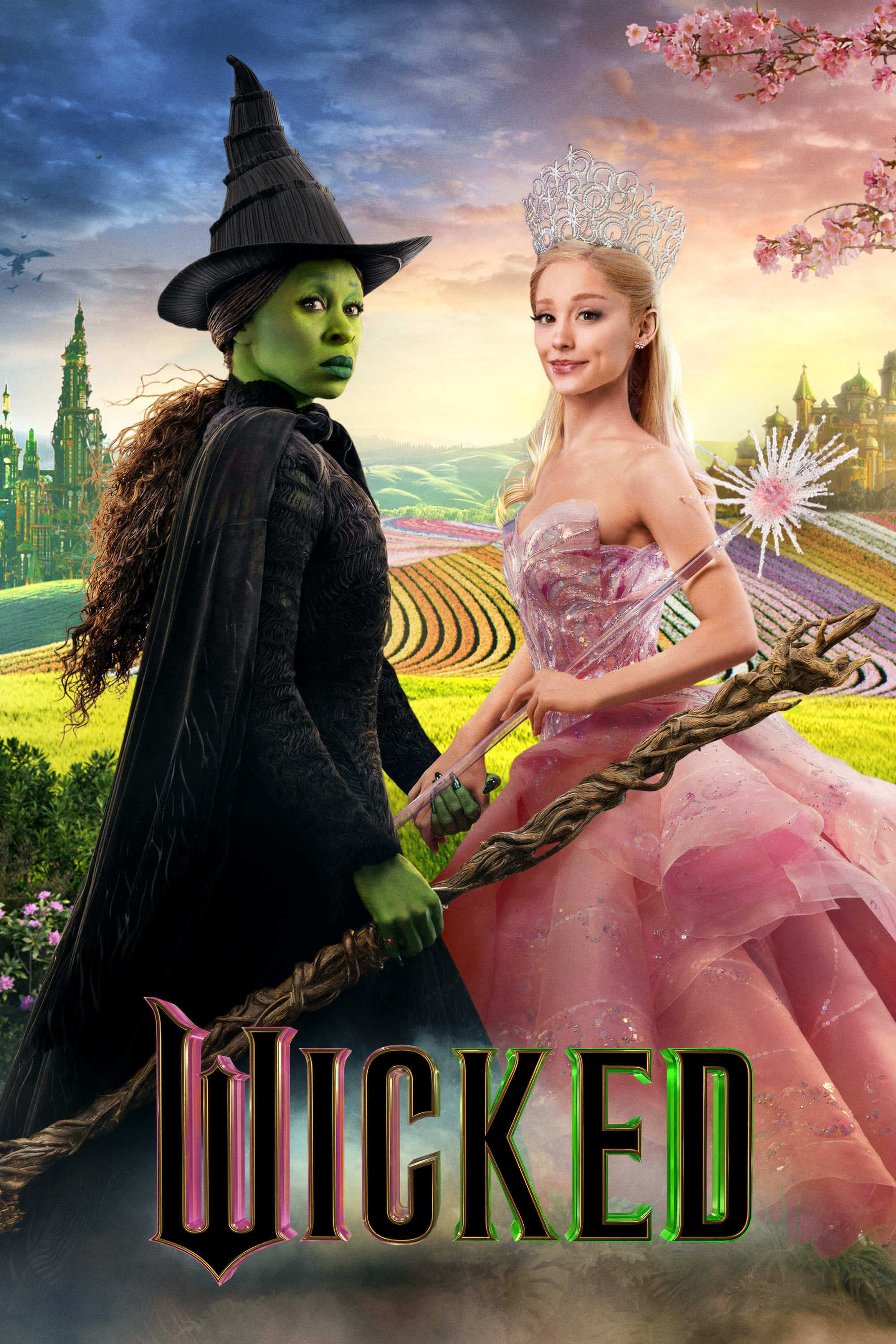
Controversy Surrounds Wicked Special's Broadcast in Israel
A recent social media campaign promoting the upcoming special event Wicked: One Wonderful Night has sparked a heated debate, primarily due to its inclusion of Israel on the list of 15 countries and regions where the show will be broadcast. The special, which is set to air in Israel on both Hot and Yes channels in early November, was initially shared on platforms such as Instagram and Threads. However, these posts have since been removed.
The controversy led to calls from some fans for a boycott of the program, with others demanding that the Israeli broadcasts be canceled. This reaction highlights the growing sensitivity around cultural and political issues, particularly in the context of entertainment.
What Is Wicked: One Wonderful Night?
Wicked: One Wonderful Night is a two-hour special designed to promote the sequel to the popular Wicked franchise, titled Wicked: For Good. This film is scheduled to open in late November and continues the story of Elphaba (played by Cynthia Erivo) and Galinda (played by Ariana Grande), who are younger versions of the Wicked Witch and the Good Witch from the classic Wizard of Oz movie. Both Wicked and Wicked: For Good are adaptations of the hit Broadway show, split into two parts.
Features of the Special
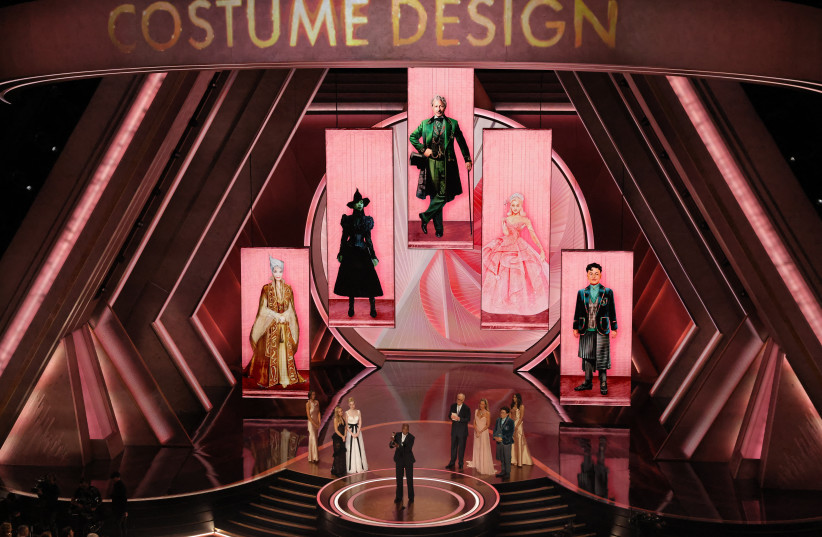
The special includes appearances by Erivo, Grande, and other cast members, alongside exclusive footage from the upcoming movie and two new songs. It was filmed at the Dolby Theatre and is an official production by NBC/Universal.
The Allegorical Nature of Wicked
Interestingly, Wicked itself is an allegory about intolerance and racism, with Elphaba fighting for social acceptance because of her green skin. This theme resonates strongly with audiences and has made the musical a cultural touchstone.
The Film Workers for Palestine Pledge
In September, a pledge titled "Film Workers for Palestine" was posted online, urging entertainment industry professionals not to work with Israeli "film institutions." Over 5,000 people, including notable figures like Emma Stone, Javier Bardem, and Cynthia Nixon, have signed this pledge.
However, critics argue that these signatories may not be fully aware or concerned about the fact that all Israeli films, even those depicting Palestinian suffering or criticizing the government, receive support from the very institutions they are calling to boycott. This raises questions about the broader implications of the pledge, which could be interpreted as a call to boycott all Israeli films and creators, regardless of their background or message.
The Broader Implications
The current controversy surrounding the broadcast of Wicked: One Wonderful Night in Israel reflects a larger conversation about the intersection of art, politics, and cultural representation. The call to cancel the special if it is shown in Israel and to pressure networks not to broadcast it here represents a further step in this ongoing debate.
As the entertainment industry continues to navigate these complex issues, the role of art in addressing social and political themes remains a central topic of discussion. The reactions to Wicked: One Wonderful Night highlight how cultural products can become focal points for broader societal conversations, especially in times of heightened political tension.