Manitoba's Children Need Better Support for Learning to Read
A new report highlights the need for more efforts to ensure all children in Manitoba have a fair chance to learn how to read. The Manitoba Human Rights Commission emphasizes that students with disabilities face significant barriers that prevent them from accessing a "basic and essential human right."
The 137-page report, released on Thursday, acknowledges recent steps taken by the province to improve literacy, such as upcoming changes to the English Language Arts curriculum and a directive to implement universal early screening. However, it also identifies areas where improvements are still necessary.
The report includes dozens of recommendations aimed at enhancing how reading is taught and assessed. It also focuses on better accommodating students with reading disabilities and addressing systemic issues within the education system.
This report is partially based on responses from a 2023 survey involving students, parents, and school staff across the province. Many participants indicated that the current approach used in Manitoba schools to teach reading is not effective.
One key recommendation is that the province’s English curriculum should provide clear guidance on teaching students to read using a "direct, explicit, systematic, and cumulative approach." This method has been proven effective and is already used in Ontario.
Regarding early reading screenings, the report states that most school staff surveyed reported using benchmarks that were not valid or reliable tools for assessing students' reading abilities. It also raises concerns about a "missing link" in how students are supported after these screenings.
Other recommendations include:
- More training for educators to better support students with reading difficulties.
- A strategy to address shortages of school psychologists, speech-language pathologists, and other critical supports.
- Improved access to assistive technologies that can help students with learning disabilities.
The commission will continue to monitor the changes being made to reading education in Manitoba and plans to release updated findings in 2026/27.
Parental Concerns and Calls for Action
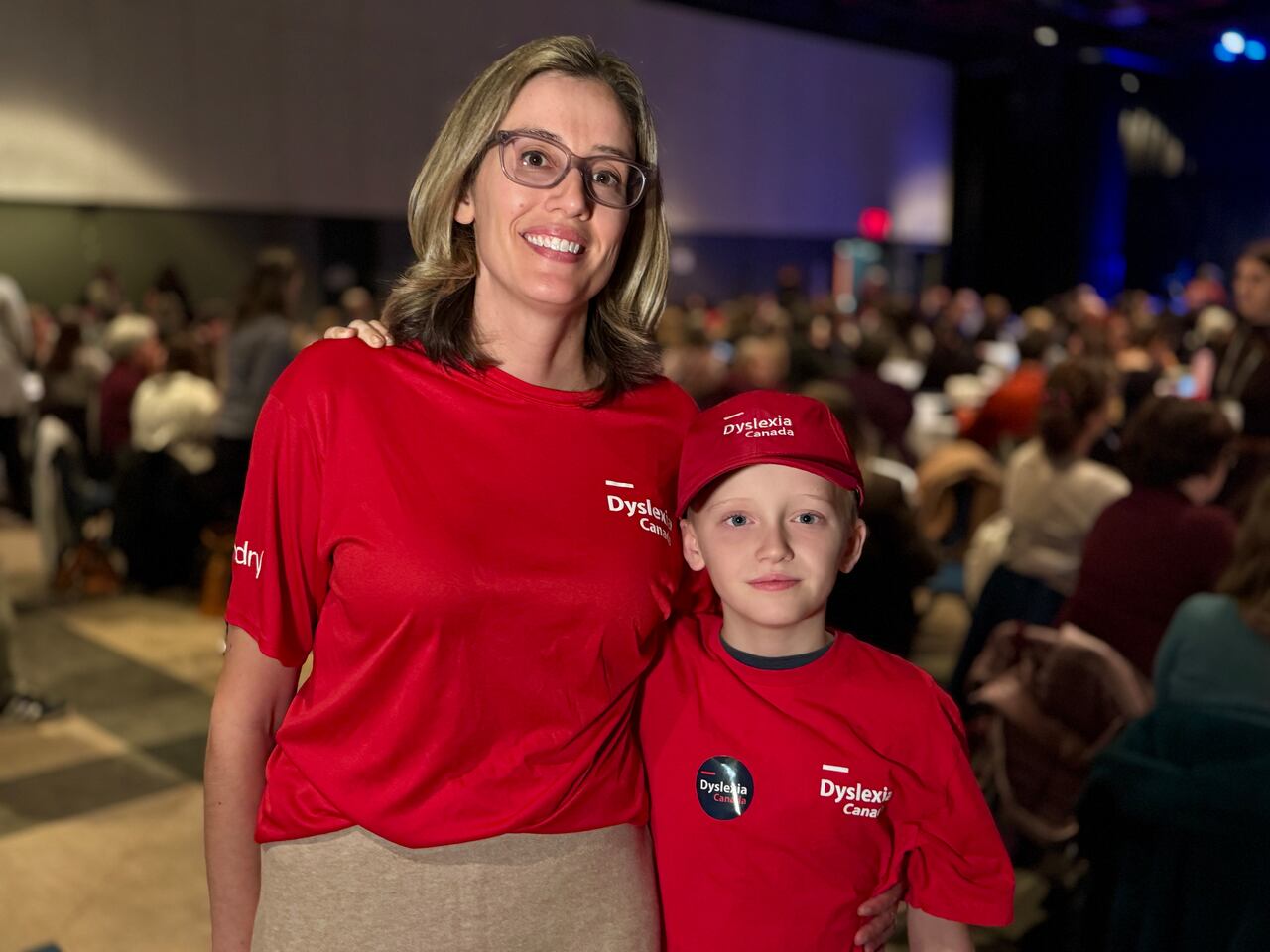
Parents who attended an event for the report’s release expressed their hopes that the province will follow through on the recommendations. Natalie Riediger, who has two children with dyslexia, shared her experience of taking her children out of the public education system because it could not accommodate their needs.
"I took my children out of the public education system because the system just could not accommodate them," she said. "There's lots of families … who can't do what we did. That's a big reason why I'm here, because every child deserves the right to learn to read."
Alicia Smith, executive director of Dyslexia Canada, said she hopes the report will build momentum for changes that are already underway in other parts of the country.
"They've already made some initial steps," she said. "But there's quite a lot more to it than that, and there's some nuances in those recommendations that I hope that the government will move forward with."
Jacob Dyck, a fifth-grade student, spoke about his struggles after finding out he was dyslexic. He had to attend tutoring for two years, which affected his time for play and rest.
"I had to go to tutoring for two years and it helped me learn, but it took away my time to play, my time to rest," the 10-year-old said. "Kids are probably crying at their homes, which is not what we want. We want them to feel happy and learn the ways of how we write and read."