The Impact of the Government Shutdown on Education
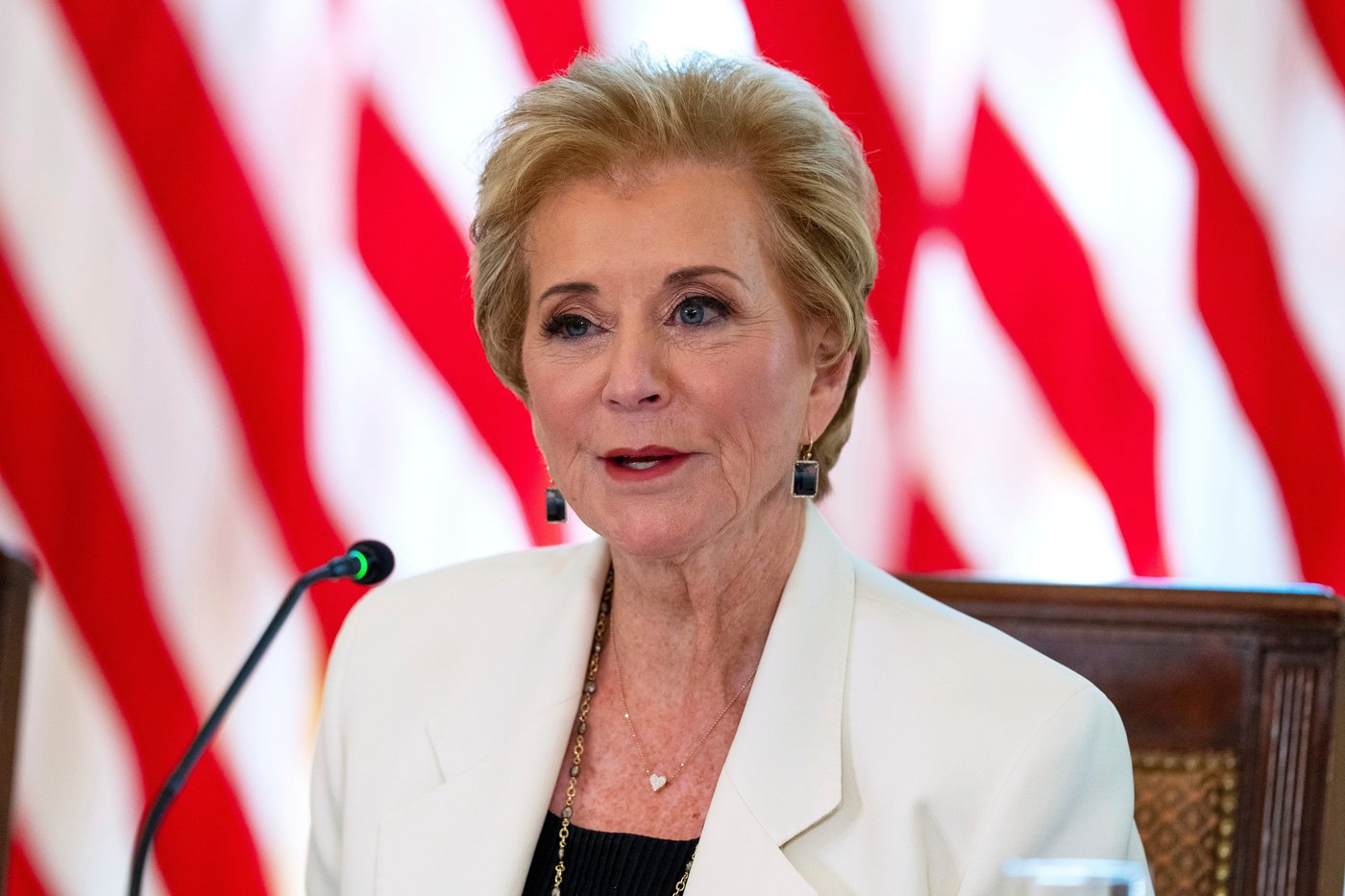
The government shutdown has created a sense of uncertainty for school leaders across the United States. They are concerned about how long grant money will last and who can help them understand federal laws. For Education Secretary Linda McMahon, this situation offers a glimpse into what she hopes to make permanent — a shift toward state-led education policies with minimal federal involvement.
Most of the Department of Education’s operations have been put on hold. No new grants are being awarded, and civil rights investigations have been paused. While some funds continue to flow for essential programs, many schools and states are left to navigate their challenges independently.
This approach aligns with President Donald Trump's vision during his campaign — a system where states have full control over education policy without much federal interference.
Before the shutdown, the department had already reduced its workforce from 4,100 to 2,400 employees. During the budget impasse, most remaining workers have been furloughed, leaving only around 330 staff members responsible for essential duties.
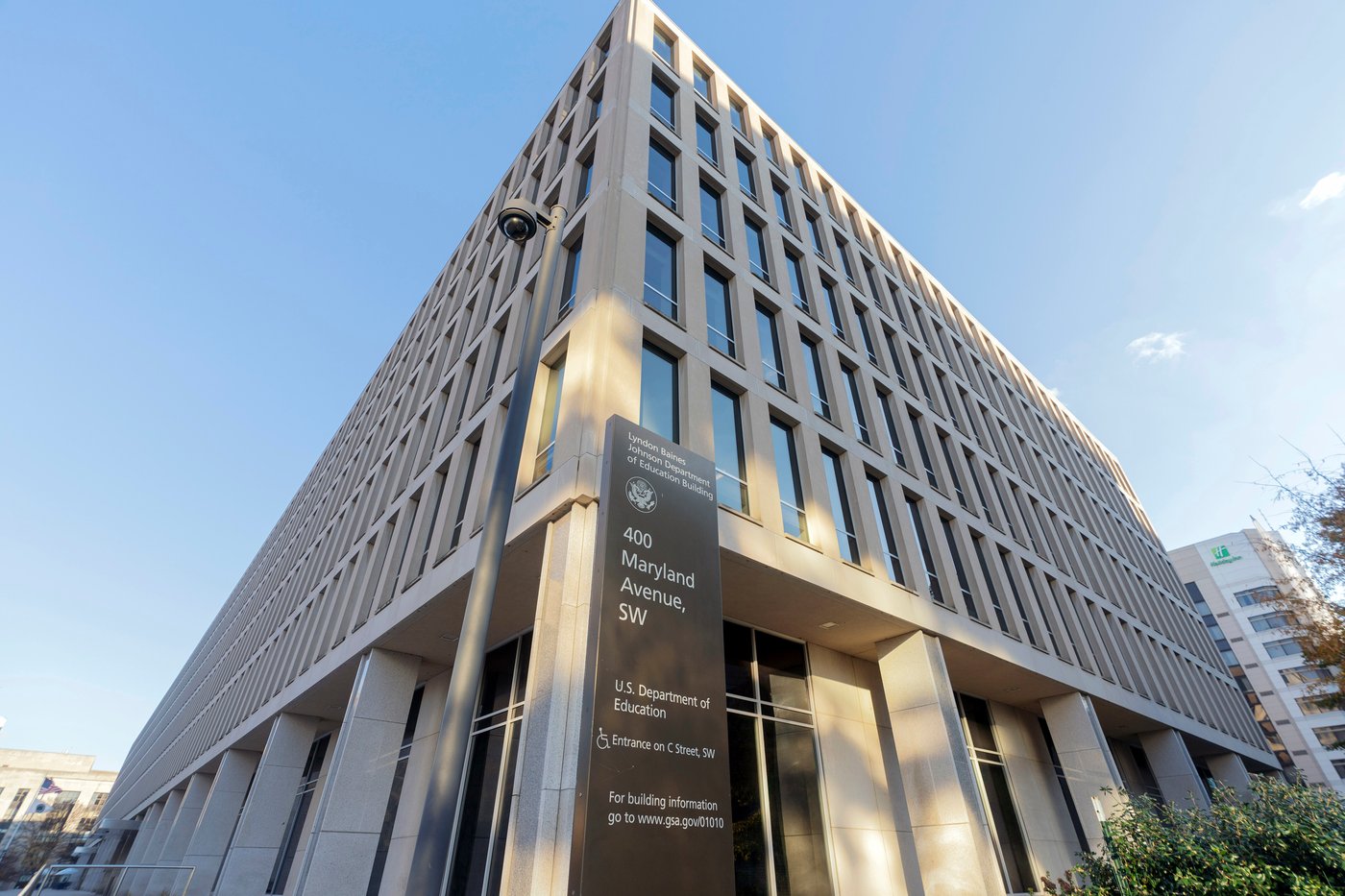
In a recent social media post, McMahon suggested that the shutdown proves the department is unnecessary. “Two weeks in, millions of American students are still going to school, teachers are getting paid, and schools are operating as normal,” she wrote. A few days later, after the agency hit its 46th year, she said, “We don’t need a birthday cake. We need an eviction notice.”
However, some experts argue that the impact of the shutdown has been more significant. They point out that funding for preschool centers and school meals is dwindling, and students with disabilities might not be receiving the support they need.
Schools Mostly Have the Money They Need — For Now
Most of the billions of dollars the Education Department allocates to schools each year were distributed in October, ensuring funding until July. However, other programs that aren't funded in advance face greater uncertainty. This includes federally funded Head Start preschool centers and school nutrition programs managed by the U.S. Department of Agriculture.
Districts are required to cover the cost of school meals and then seek reimbursement from the Department of Agriculture. However, the agency has only two months of reimbursements available due to the shutdown. "Districts are really worried that they’re going to have to dig deep into their pockets to fund meals," said Julia Martin, director of policy and government affairs at the Bruman Group, an education law firm.
The last remnants of federal COVID-19 aid are still being released by the Education Department, but the process has slowed with fewer staff reviewing requests, according to Martin. America’s public schools are primarily funded by states and cities, but federal funding plays a crucial role. The billions already sent to schools include grants to assist low-income students, those with disabilities, and other vulnerable populations.
Grant competitions to award smaller amounts of money have largely frozen. Schools and states that have already received grants can continue spending them, but all new grantmaking has stopped, the department stated. At the college level, federal Pell grants for low-income students are still flowing, and the FAFSA financial aid form is still being processed.
With the Government Shut Down, Schools Look Elsewhere for Help
Normally, states and schools rely on the department to answer questions on a wide range of topics — from special education laws to statewide academic assessments to laws requiring public schools to provide certain services to students at private schools.
This technical assistance has halted during the shutdown, and the Trump administration has moved to eliminate it almost entirely. A new round of layoffs this month targeted most workers in the Office of Elementary and Secondary Education.
Also affected was the Office of Special Education and Rehabilitative Services, which ensures that students with disabilities get the services they're entitled to under federal law. It maintains “very regular” communication with states to address questions on coordinating aid to families and eliminating waitlists, said Katy Neas, CEO of The Arc of the United States, a disability rights group.
The new layoffs have been halted by a federal judge. But as the shutdown continues, more states may unknowingly break federal laws because they can't get guidance from the government, said Neas, who led the special education office under former President Joe Biden.
“People of good intention and good faith are going to have honest questions that they're not going to be able to get an answer for,” Neas said.
Some states have turned to law firms for advice, but there are not always clear answers. In August, the department rescinded 2015 guidance explaining schools’ legal obligations to students who are learning English. But with no new guidance replacing it before the government shutdown, schools have questions about their responsibilities, said Martin, of the Bruman law firm.
“In the meantime, a lot of districts are just going to continue to follow the old guidance because it’s the best thing they have,” Martin said.
What’s Next for the Department?
McMahon has acknowledged that only Congress can fully eliminate the Education Department, despite Trump's campaign pledge to shut it down. As a workaround, officials have been developing plans to transfer core functions to other agencies.
The Education Department has already moved some of its adult and career education programs to the Labor Department in July. The Labor Department now oversees federal Perkins grants, which go to states to fund career and technical education.
In court filings, the Education Department has said it was pursuing a similar deal to put the Treasury Department in control of the $1.6 trillion federal student loan portfolio.
The Supreme Court paved the way for that work to continue in a July decision overturning a lower court order blocking the department’s wind-down.
At her Senate confirmation hearing, McMahon also said special education programs might fit under the Department of Health and Human Services, and that the Education Department’s Office for Civil Rights could be moved to the Justice Department.