A New Era of Comedy on British Television
The great joy of this year’s Strictly Come Dancing has been the presence of La Voix, a bedazzled drag queen who brings a unique blend of humor and audacity to the show. Known for her sharp wit and bold remarks, she has injected a rare sense of comic danger into the program. Her quips, such as commenting on Tess Daly's dress resembling a bathmat or questioning the authenticity of Craig Revel Horwood’s hair, have made her a standout figure.
La Voix, the alter ego of performer Christopher Dennis, is not just a guest on the show; she has become a highlight of the nightly spin-off, It Takes Two. A recent moment where a sent-in video from a friend led to her mock admiration for their glittering ensemble showcased her ability to turn even the most mundane moments into comedic gold.
The Rise of Alan Carr
On the BBC’s other successful show, The Celebrity Traitors, Alan Carr has also brought a similar style of anarchic camp. As a gay funnyman, he delights in his own mercilessness, embracing the goth-horror showboating that defines the program. Over time, Carr has become increasingly winkingly evil, relishing his role as a traitor, adding a layer of unpredictability to the show.
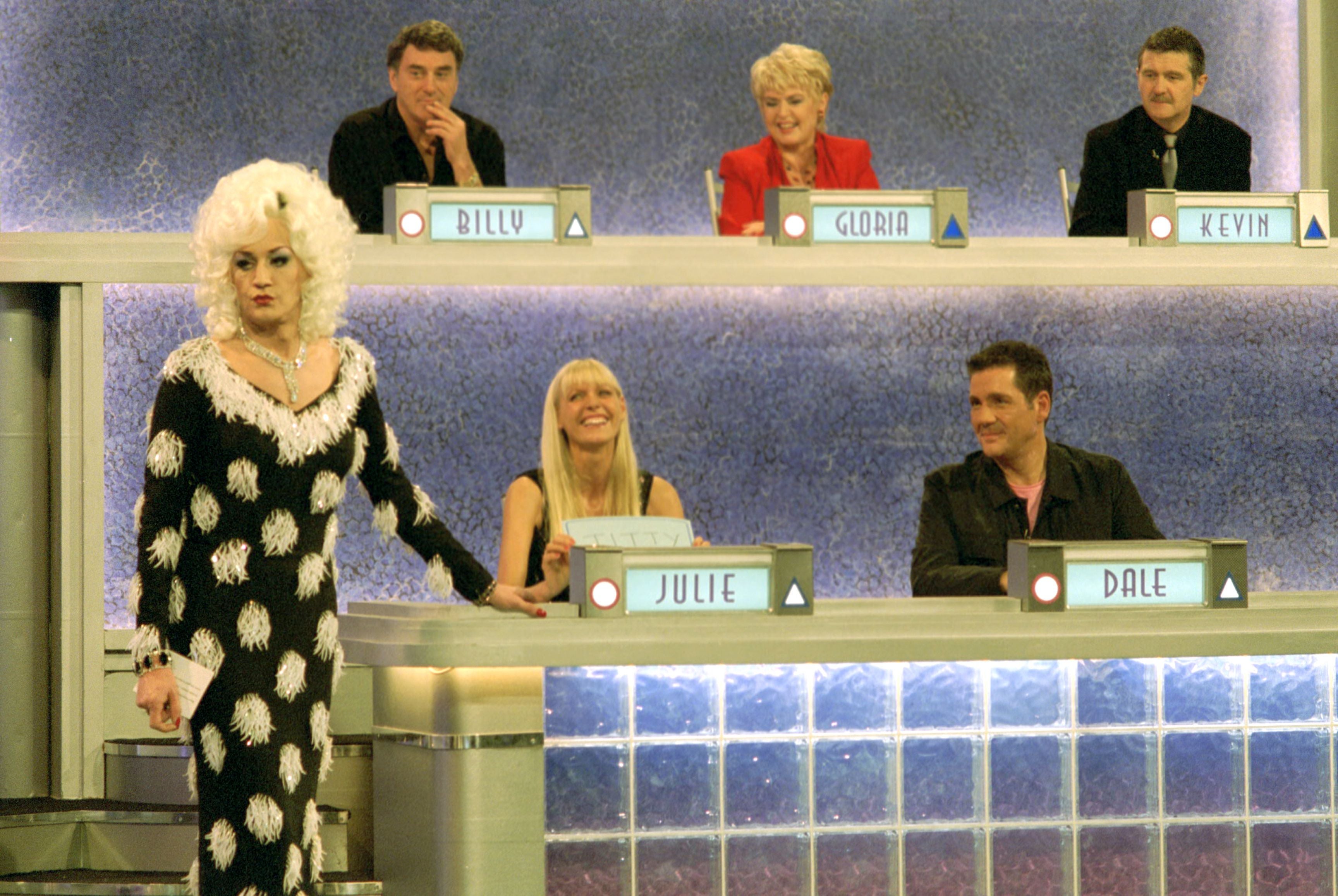
Both La Voix and Carr represent a kind of comedy that once dominated primetime schedules on BBC One and ITV. This humor, characterized by its fast-paced, catty, and slightly bawdy nature, was exemplified by figures like Julian Clary, Mrs Merton, Dame Edna Everage, and Lily Savage. These comedians were known for their outrageous observations delivered with a cheesy grin or a protestation of innocence.
The Evolution of Comedy
In the 1990s, comedians like these thrived in an environment inspired by the provocative button-pushing of Channel 4. They benefited from a television industry eager for irreverence and shock. For instance, Paul O’Grady’s character, Lily Savage, was recruited to present BBC One’s Blankety Blank because she wasn’t the droll, deadpan Terry Wogan or Les Dawson. Senior BBC executives allowed O’Grady to go off-script, vamp until the cameras stopped rolling, and express all kinds of gallows humor.
This type of comedy resonated with audiences, making each "character" a defining figure of British TV 25 years ago. However, over time, this kind of spiky humor began to fade from view. Some performers, like O’Grady, retired their personas, while others, like Caroline Aherne, shifted their focus to scripted television.
The Shift in Television
As television evolved, it became less ribald, with channels swinging back from shock to safe. The principles of Lily-Savagian humor—tussles of power and the startling final blow of a punchline—migrated to reality TV, where it was placed into the mouths of the volatile and unfun. Gay representation on television also became more "respectable," with feather boas and disdain swapped out for cravats and politeness.
Despite this dilution of barbed, acidic, "dangerous" queerness in the mainstream, queer people still face open hostility in the public sphere. However, the current sociopolitical climate has seen a shift away from the pursuit of benign respectability. In this environment, it's braver than ever to be gay, messy, and unbridled.
The Importance of La Voix and Alan Carr
La Voix and Alan Carr are paradigms of crafty, bitchy elegance currently dominating the evening schedules of BBC One. Their presence highlights the importance of humor that challenges norms and embraces authenticity. As the world faces increasing challenges, their contributions remind us of the power of laughter and the necessity of being true to oneself.